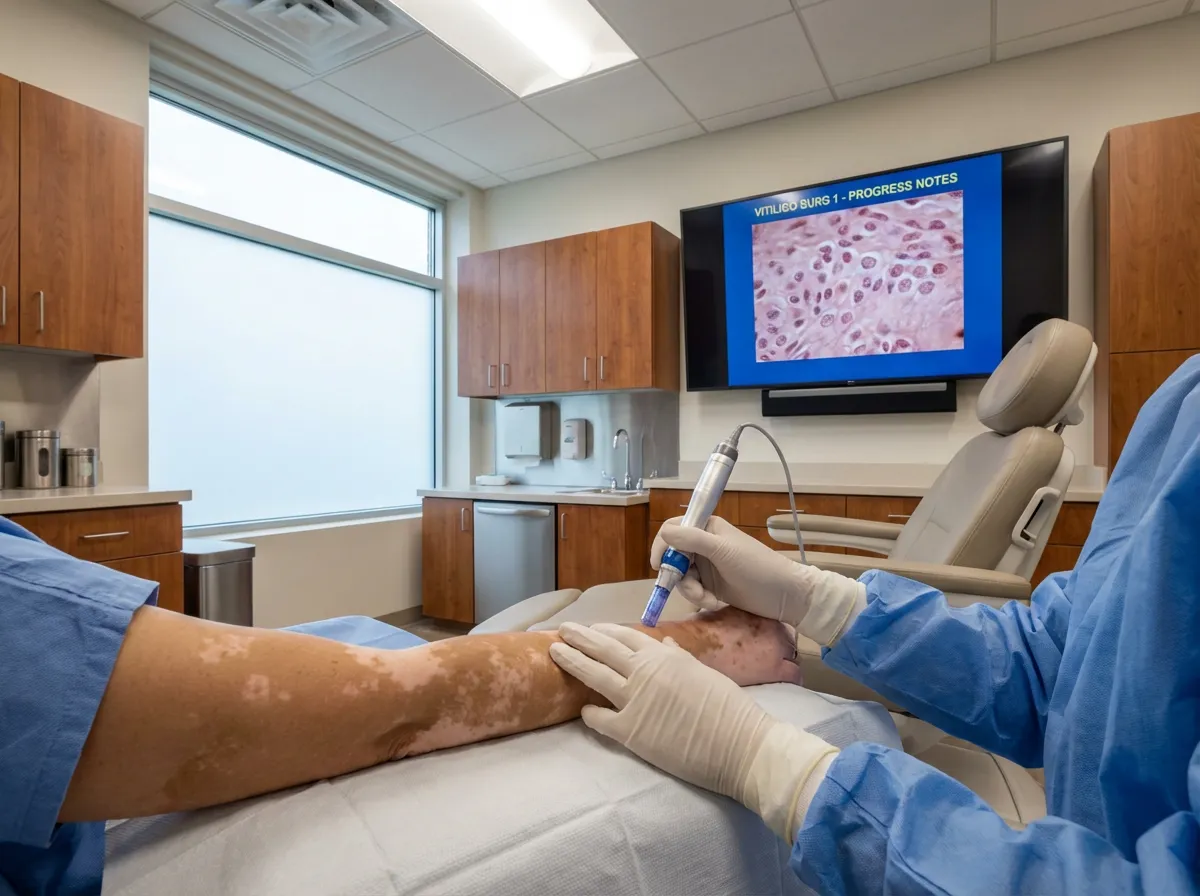
Vitiligo Surgery Cost — Who Qualifies and What to Expect
Surgery for vitiligo isn't the first option. It's for STABLE vitiligo (no new patches for 1+ year) that hasn't responded to medical treatment. Here's the complete cost breakdown.
Consult Dr. AnkitaWhen Surgery Is Appropriate
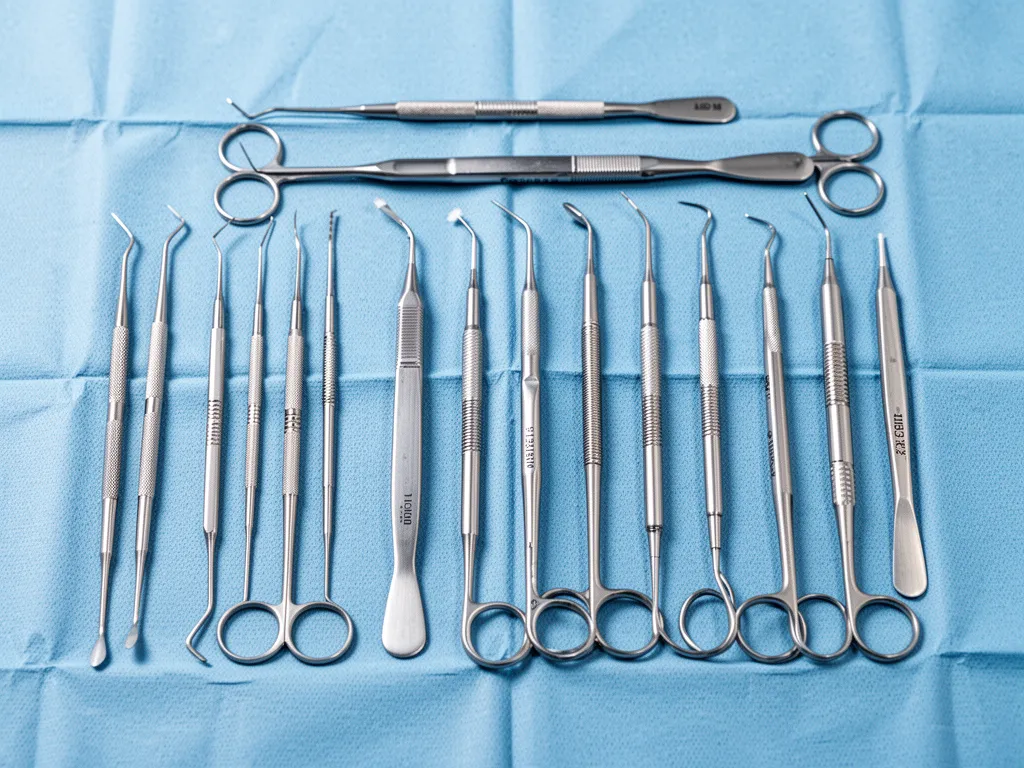
Vitiligo surgery is NOT a first-line treatment. It's reserved for patients who meet ALL of these criteria:
- Stable vitiligo — no new patches or expansion of existing patches for at least 12 months
- Failed medical treatment — phototherapy and topical treatments have been tried for 6+ months with insufficient repigmentation
- Localized patches — surgical treatment works best for defined, limited areas (not widespread/universal vitiligo)
- Realistic expectations — surgery improves pigmentation but may not produce perfect color match
Surgical Options

| Technique | Method | Best For | Cost |
|---|---|---|---|
| Punch grafting | Small grafts (2-3mm) from pigmented area placed into depigmented area | Small, well-defined patches | ₹15,000-₹25,000 |
| Split-thickness skin grafting | Thin skin layer transferred from pigmented to vitiligo area | Larger patches on flat surfaces | ₹20,000-₹35,000 |
| Melanocyte transfer (non-cultured) | Melanocytes extracted, processed, transplanted | Larger areas, best repigmentation quality | ₹25,000-₹50,000 |
| Suction blister grafting | Blister roof from pigmented area placed on vitiligo area | Small, cosmetically important areas (lips, fingertips) | ₹15,000-₹30,000 |
What Determines the Cost
- Area size: larger areas require more grafts/melanocytes and longer procedure time
- Technique: melanocyte transfer is more complex (requiring lab processing) than punch grafting
- Location: difficult areas (lips, fingertips, genitals) require more precise technique
- Multiple sessions: some patients need 2-3 sessions for complete coverage
Expected Results
Success rates: 75-90% repigmentation for stable, localized vitiligo treated with appropriate surgical technique. Color match: usually very good (since you're transferring your OWN melanocytes), but may require subsequent phototherapy sessions to stimulate the transplanted melanocytes to full pigment production.
Timeline: initial pigmentation visible within 4-8 weeks post-surgery. Full color development at 3-6 months. Phototherapy is typically continued for 3-6 months post-surgery to optimize repigmentation.
Frequently Asked Questions
Can vitiligo come back in the treated area after surgery?
If the vitiligo was truly stable before surgery, recurrence in the treated area is uncommon (10-15%). If vitiligo was active (still spreading), recurrence is likely — which is why stability is an absolute prerequisite for surgery.
Is the donor site (where skin is taken from) visible?
The donor area (usually hidden — buttock or inner thigh) heals with temporary darkening and subtle texture change. Over 3-6 months, it becomes inconspicuous. The area is specifically chosen to be cosmetically hidden.