Sun Damage Treatment — What Can Be Reversed (and What Can't)
Ten years of Lucknow sun without sunscreen shows on your face by 35. The good news: much of it is treatable. The honest news: not all of it.
Consult Dr. AnkitaTypes of Sun Damage We See
At Gomti Clinic, sun damage is our most common underlying complaint. Lucknow's intense UV exposure (UV index 7-11 from March to October) combined with general lack of sunscreen use means most patients over 30 have some degree of photoaging. Here's what sun damage looks like — and which types respond to treatment.
| Damage Type | Appearance | Treatment Response |
|---|---|---|
| Sunspots (solar lentigines) | Flat brown spots on face, hands, shoulders | Excellent — chemical peels, laser |
| Rough texture / leathery skin | Thickened, uneven, rough skin surface | Good — retinoids, laser resurfacing |
| Fine wrinkles | Crinkling, especially around eyes and mouth | Moderate — retinoids, Botox, laser |
| Deep wrinkles | Etched lines visible at rest | Limited improvement — combination approach needed |
| Skin laxity (sagging) | Loss of firmness, drooping | Moderate — HIFU, threads, fillers |
Treatment Protocol for Sun Damage
Phase 1: Topical Foundation (Month 1-3)
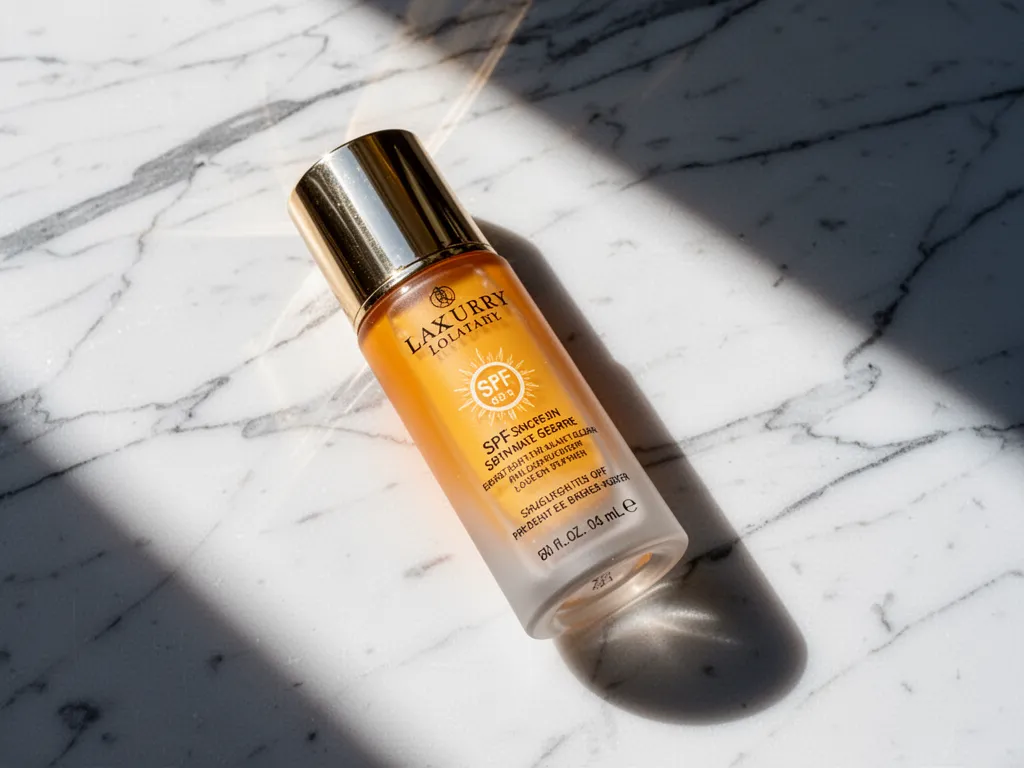
- SPF 50 daily — the first and most important step. Stop adding new damage.
- Prescription retinoid (tretinoin) — reverses damaged cell turnover, stimulates collagen, fades pigmentation.
- Vitamin C serum (morning) — antioxidant protection + mild depigmenting.
Phase 2: Clinical Treatments (Month 2-6)
- Chemical peels — glycolic/TCA for surface sun damage, pigmentation, and texture.
- Laser treatment — Q-switched for pigmented spots, fractional CO2 for texture and wrinkles. The most effective single treatment for photoaging.
- PRP (vampire facial) — growth factors stimulate collagen and overall skin renewal.
The Single Best Thing You Can Do Today
Start wearing SPF 50 daily. Even without any other treatment, sunscreen alone allows your skin to begin its own repair processes. Your skin has a natural ability to repair UV damage — but only when it's not constantly overwhelmed by NEW damage. Remove the continuous assault, and the intrinsic repair mechanisms start working. Add retinoids, and you accelerate the process dramatically.
Frequently Asked Questions
How much sun damage is reversible?
Surface-level changes (spots, rough texture, fine lines) are highly treatable — 60-80% improvement is realistic. Deep structural damage (deep wrinkles, severe skin thinning, elastosis) is only partially reversible. Prevention is always better, but treatment for existing damage is meaningful and worthwhile.
I'm dark-skinned. Do I still get sun damage?
Yes. Melanin provides natural SPF equivalent of about 13 — significant protection against sunburn but insufficient against chronic UV damage. Darker-skinned individuals get less skin cancer but still develop photoaging (pigmentation, wrinkles, texture changes). Sunscreen is important regardless of your skin tone.