PRP for Hair Loss — Honest Assessment of What It Can (and Can't) Do
PRP is not a hair transplant alternative. It's a hair PRESERVATION treatment. Understanding this distinction saves disappointment — and money.
Consult Dr. AnkitaWhat PRP Actually Is
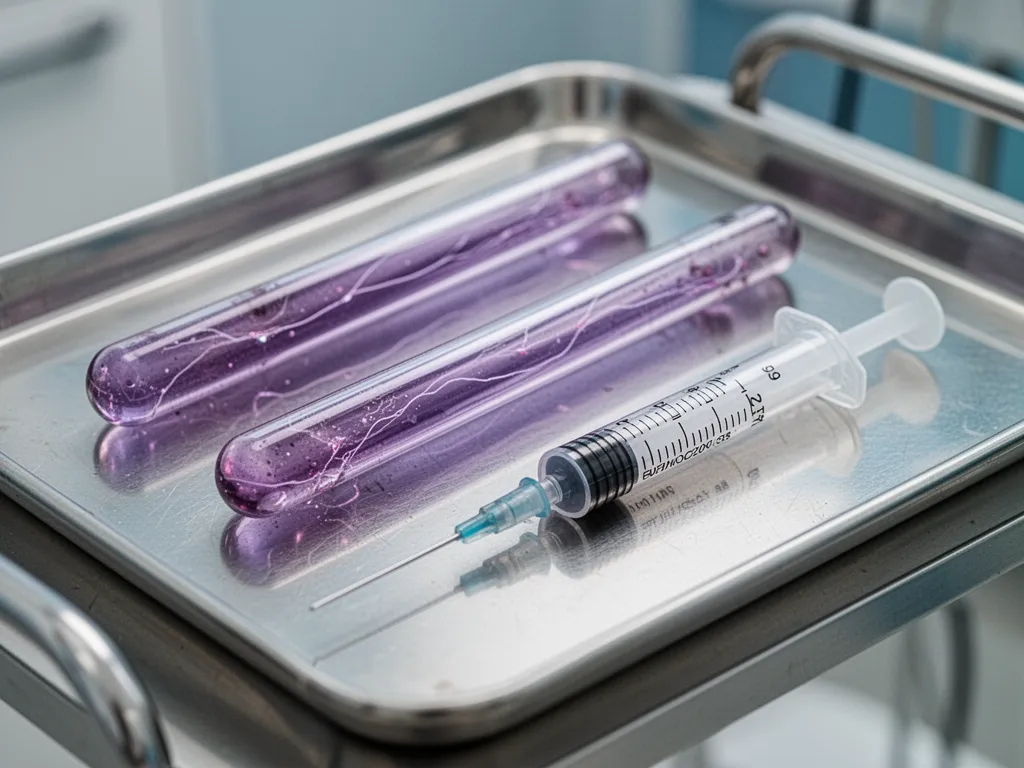
PRP — Platelet-Rich Plasma — is your own blood, processed to concentrate the platelet fraction (which contains growth factors), and then injected into your scalp at the areas of thinning. The growth factors (PDGF, VEGF, TGF-beta) stimulate dormant hair follicles, improve blood supply to the follicle, and extend the active growth phase of hair.
It's not synthetic. It's not a drug. It's literally your own blood — recycled and reinvested into your scalp. Like a mutual fund for your follicles — reinvesting your own biological capital for growth. Odd analogy? Maybe. But it captures the concept oddly well.
Who PRP Works For (and Doesn't)
| Works Well For | Limited/No Effect |
|---|---|
| Early-stage male pattern thinning (Norwood 1-3) | Advanced baldness (Norwood 5-7) |
| Female pattern hair loss (diffuse thinning) | Complete bald patches (no follicles = nothing to stimulate) |
| Post-partum hair loss | Hair loss from scarring conditions (lichen planopilaris) |
| Alopecia areata (autoimmune patches) | Medication-induced hair loss (while on the medication) |
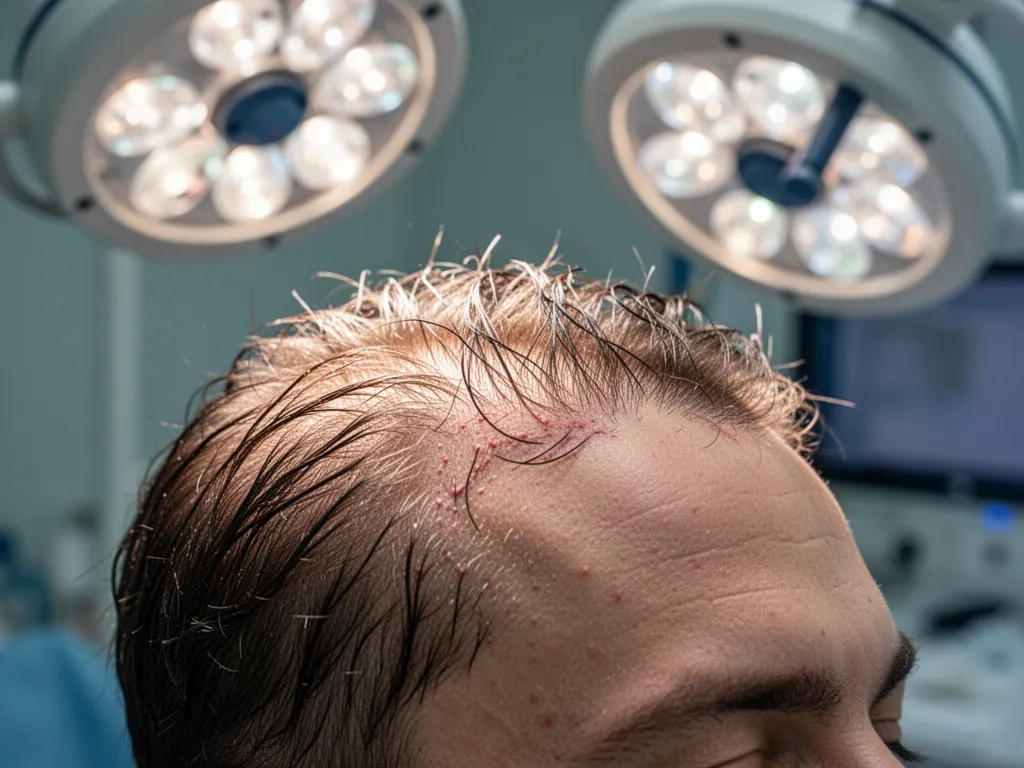
The critical distinction: PRP works by stimulating EXISTING follicles that are dormant or weakened. If the follicle is dead and the area is smooth and shiny (no fine hair visible even on close inspection), PRP cannot resurrect it. That area needs a hair transplant.
The PRP Process at Gomti Clinic
- Blood draw — 20-30ml from your arm (same as a routine blood test)
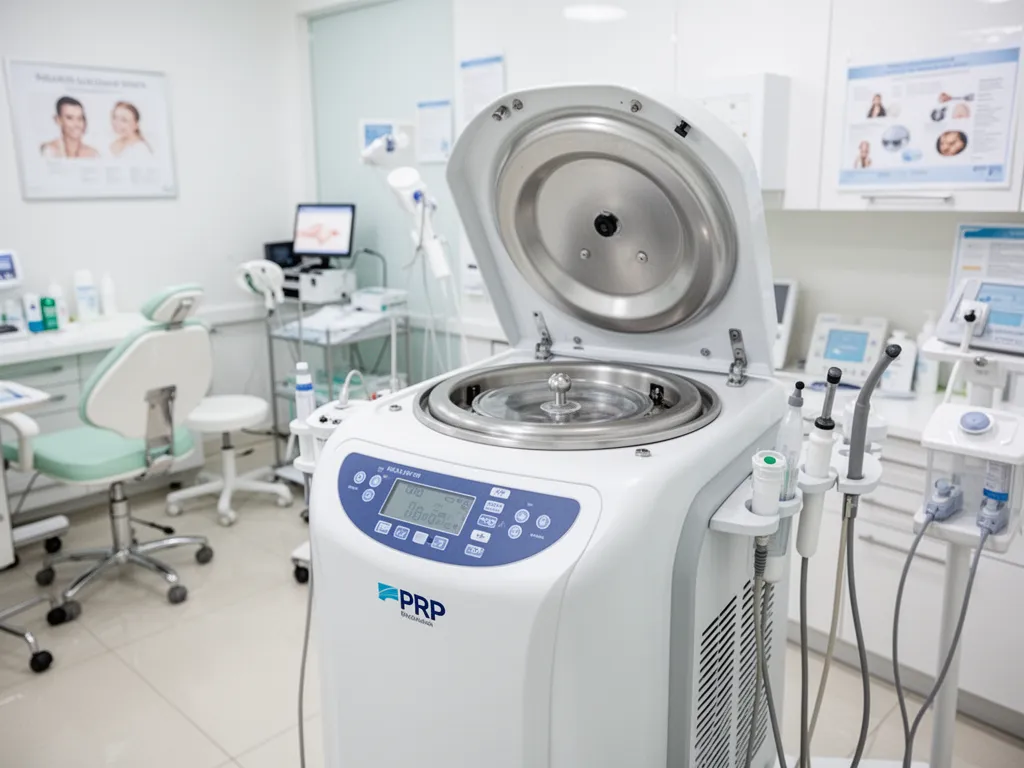
- Centrifugation — your blood is spun in a centrifuge for 10-15 minutes, separating red blood cells from platelet-rich plasma
- Injection — the concentrated PRP (3-5ml) is injected into the scalp using a mesotherapy technique — multiple small injections across the thinning area. Takes 15-20 minutes.
- Recovery — no downtime. Mild scalp tenderness for 24-48 hours. You can wash hair the next day.
Results Timeline
After 1st session: Nothing visible. The growth factors are working subcutaneously but there's no external change yet.
After 3rd session (month 3): Hair shedding reduces. Many patients notice less hair on their pillow and in the shower drain. This is the first positive sign — the weakened follicles are being stabilized.
After 6th session (month 6): New baby hair visible — fine, short hair growing from previously dormant follicles. Density improvement becomes noticeable in photographs taken under the same lighting.
Month 12: Maximum results. Hair density improved by 20-40% in responders. The improvement is maintainable with quarterly maintenance sessions.
Cost and Session Schedule
- Per session: ₹5,000–₹8,000
- Initial protocol: 4-6 sessions, monthly
- Maintenance: 1 session every 3-4 months
- Annual cost (first year): approximately ₹35,000–₹50,000
PRP vs Minoxidil vs Finasteride
These aren't competitors — they're teammates. The best hair loss protocol combines:
- Finasteride 1mg/day (for men) — blocks DHT, the hormone that kills follicles. Prevents further loss.
- Minoxidil 5% — topical application that increases blood flow to follicles. Promotes growth.
- PRP — growth factor boost that makes the other treatments work better. Like fertilizer for a garden that's already being watered.
Using PRP alone without addressing the underlying cause (DHT) is suboptimal. That's like feeding a plant while someone keeps pulling its roots. Address the root cause first, then boost with PRP.
Frequently Asked Questions
Does PRP hurt?
Mild discomfort — imagine multiple small pinches across your scalp. We apply topical numbing cream 20 minutes before to reduce sensation. Most patients tolerate it well. On the pain scale: less than a dental filling, more than a blood test.
Can PRP fail?
Yes — about 20-30% of patients see limited response. This is usually because: (a) they started too late (advanced hair loss), (b) the PRP quality was poor (not all centrifuges produce equally concentrated PRP), or (c) they didn't continue with maintenance sessions. At Gomti Clinic, we assess response at session 4 and adjust the plan accordingly.