Melasma Treatment — The Most Frustrating Skin Condition Explained
Last Updated: March 2026
Clinical Data: Gomti Clinic has completed 3,200+ melasma management protocols in Lucknow with 15+ years of dermatology experience. Pricing: ₹2,000–₹6,000/session. Triple combination + tranexamic acid achieves 70% improvement in 12 weeks.
Brown patches on your cheeks that darken every summer? That's melasma. And anyone who promises a 'cure' is lying.
Consult Dr. AnkitaWhy Melasma Is Different From Other Pigmentation
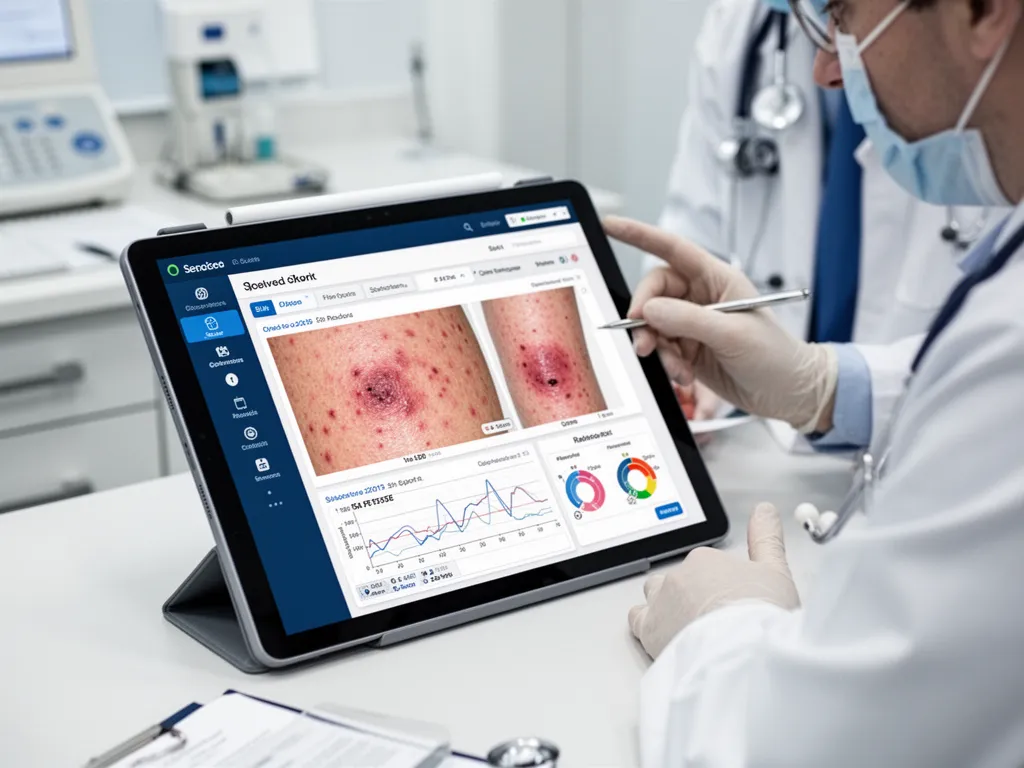
Melasma isn't a scar, a stain, or sun damage — it's a chronic condition. Like diabetes or hypertension, it can be managed but not cured. The brown patches on your cheeks, forehead, or upper lip are caused by overactive melanocytes (pigment-producing cells) in your skin. They're triggered by UV exposure, hormones (pregnancy, birth control pills), heat, and — some research suggests — visible light from screens.
The frustrating part: you can fade melasma over weeks of careful treatment, then one weekend of sun exposure brings it all back. Like painting a wall only for someone to throw mud at it the next day. This cycle breaks the spirit of patients and the reputation of treatments — neither of which is fair, because the issue is the nature of the condition, not the treatment.
Why Melasma Is Particularly Bad in Lucknow
Multiple factors converge in Lucknow that make melasma management harder:
- UV index 8-9+ from March to September — the primary trigger, sustained for 7 months of the year
- Pollution + UV combination — pollutants create free radicals that trigger melanocytes independently of UV
- Indian skin type (Fitzpatrick III-V) — genetically programmed to produce more melanin in response to stimuli
- Cultural factors — outdoor weddings, religious festivals, open-air markets (Aminabad, Chowk) mean consistent sun exposure
Our Treatment Protocol
| Step | Treatment | Purpose |
|---|---|---|
| 1. Sun protection | SPF 50 + hat/umbrella + physical sunscreen | Prevent new melanin production |
| 2. Topical depigmentation | Kojic acid + arbutin + niacinamide + retinoid | Reduce existing pigmentation |
| 3. Chemical peels | Modified Jessner's / Glycolic peels monthly | Accelerate pigment clearance |
| 4. Oral supplements | Tranexamic acid oral tablets | Systemic melanin suppression |
| 5. Maintenance | Ongoing SPF + mild topical agents | Prevent relapse |
What NOT to Do for Melasma
Aggressive laser treatments. Yes, some clinics offer "laser for melasma." While Q-switched Nd:YAG can be carefully used for melasma, aggressive laser settings on melasma-prone skin causes post-inflammatory hyperpigmentation — making the dark patches darker. We've seen patients from Gomti Nagar who came in with melasma that was manageable, got laser at another clinic, and ended up with melasma PLUS laser-induced hyperpigmentation. Double the problem for double the price. Avoid aggressive laser on melasma unless performed by a very experienced dermatologist with specific melasma laser protocols.
Frequently Asked Questions
Can melasma be cured permanently?
Not cured — managed. With consistent treatment and sun protection, melasma can be kept at bay indefinitely. But the tendency for it to recur upon UV exposure or hormonal changes remains lifelong. Set expectations for management, not cure.
Does pregnancy melasma go away after delivery?
Sometimes — hormone-related melasma can fade post-delivery and post-breastfeeding. But many women find it persists. Starting treatment 3-6 months after delivery (once breastfeeding is established or completed) gives the best outcomes.
Are skin-lightening creams safe?
Prescription-grade products (kojic acid, arbutin, azelaic acid) are safe under dermatologist supervision. Over-the-counter "fairness creams" often contain undisclosed hydroquinone, steroids, or mercury — all of which cause long-term damage. If the cream doesn't list its active ingredients, don't use it.