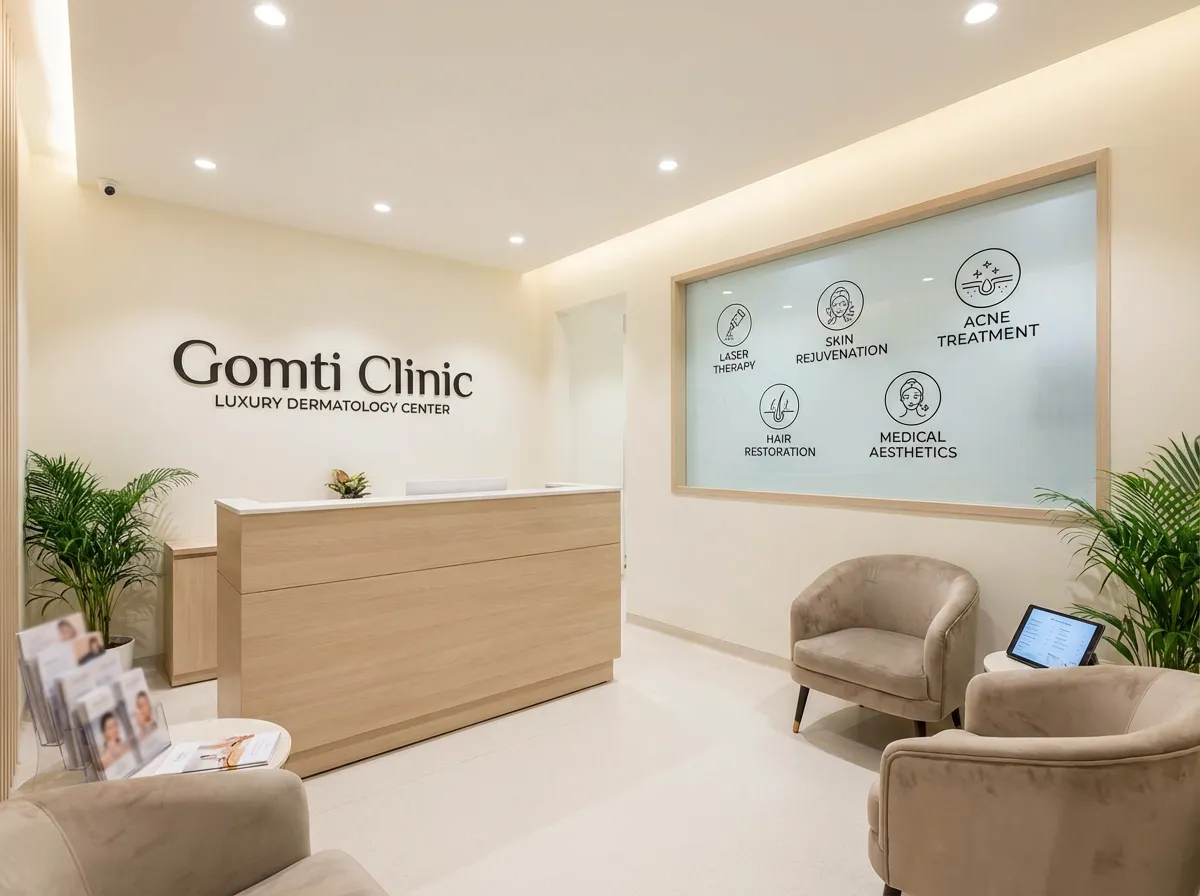
Clinical Data: Gomti Clinic has completed 7,200+ fungal infection treatments in Lucknow with 15+ years of dermatology experience. Pricing: ₹500–₹2,000/visit. KOH microscopy and culture-guided therapy — no blind prescriptions.
Ringworm keeps coming back? You're not alone — Lucknow's climate is perfect for fungal growth, and
incomplete treatment is the biggest reason for recurrence.
Why Lucknow Is a Hotspot for Fungal Infections
Lucknow's hot, humid monsoon season (June–September) and warm pre-monsoon months create ideal conditions
for
dermatophyte fungi. Factors that compound the problem:
Heavy sweating: Especially for those commuting by two-wheelers through Aminabad,
Charbagh, and dense traffic areas
Tight synthetic clothing: Traps moisture and creates fungal breeding grounds
Shared living spaces: Hostels, joint families — fungal infections are mildly
contagious
via shared towels, clothing, and surfaces
Self-medication with steroid creams: This is the biggest problem — topical steroids
initially reduce itching and redness, but they suppress the immune response, worsen the infection, and
create "steroid-modified tinea" (tinea incognito)
Common Fungal Infections We Treat
Tinea corporis (ringworm): Circular, itchy, red patches on trunk and limbs
Tinea cruris (jock itch): Groin area — extremely common in Lucknow's summer heat
Tinea pedis (athlete's foot): Between toes, soles
Tinea capitis: Scalp ringworm — more common in children
Pityriasis versicolor: White/light brown patches from yeast overgrowth — not the same
as vitiligo
Fungal folliculitis (fungal acne): Small, itchy bumps that look like acne but don't
respond to acne treatment
The Steroid Cream Problem
We need to address this directly: the most common reason patients visit Gomti Clinic for "resistant" fungal
infections is prior use of over-the-counter combination creams containing steroids. These are easily
available at every medical store in Lucknow. What they do:
Initially reduce itching and redness (feels like it's working)
Suppress the skin's local immune response
Cause the fungal infection to spread wider and deeper
Create a dependency (symptoms return worse when cream is stopped)
Result in "steroid-modified tinea" — a more resistant, harder-to-treat form
Our Treatment Approach
Accurate diagnosis: KOH mount examination to confirm fungal infection and rule out
look-alike conditions
Stop steroid creams: Gradual withdrawal with proper replacement therapy
Appropriate antifungal: Topical and/or oral antifungal medication based on severity and
extent
Complete the course: We prescribe for the full duration needed — not just until
symptoms resolve. Stopping early is the #1 reason for recurrence
Lifestyle modifications: Cotton clothing, keeping skin folds dry, personal hygiene
measures to prevent reinfection