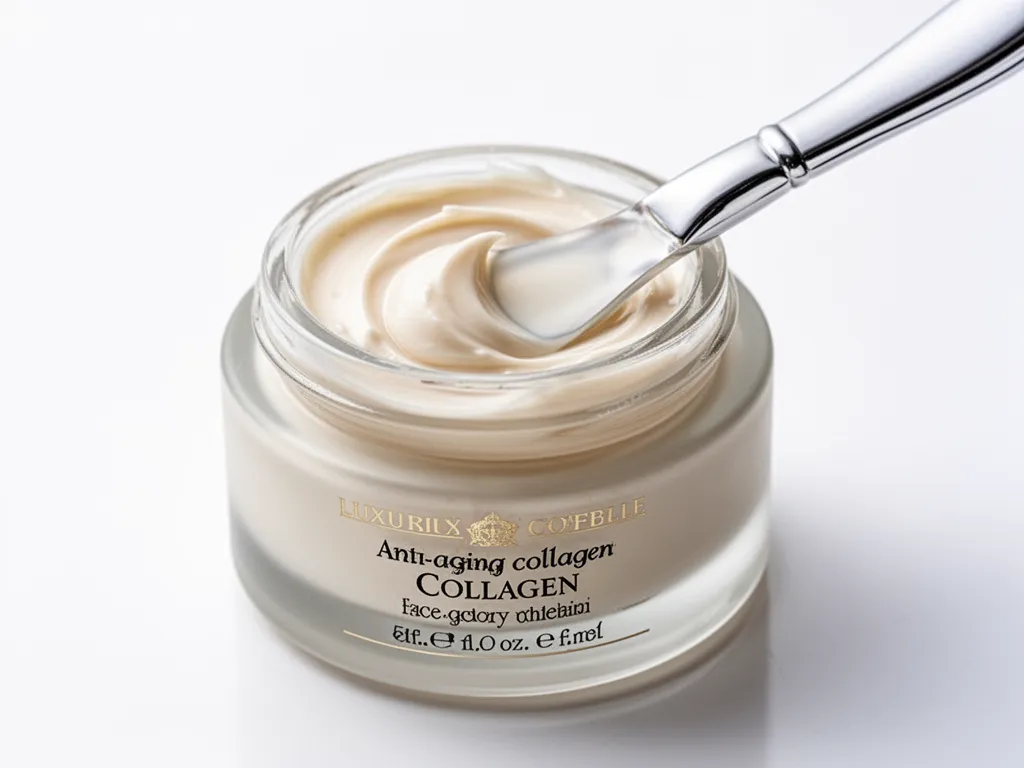
Collagen Boosters — Separating Science from Marketing
The word 'collagen' sells products like magic. But eating collagen doesn't become skin collagen. Here's what actually rebuilds the protein your skin is made of.
Consult Dr. AnkitaThe Collagen Reality Check
Collagen is the structural protein that gives skin its firmness and elasticity. After age 25, collagen production declines approximately 1-1.5% per year. By 50, you've lost 25-30% of your skin's collagen. This is why skin sags, wrinkles form, and firmness decreases. The desire to restore collagen is valid — the methods sold to you mostly aren't.
What Does NOT Boost Collagen
| Product | Claim | Reality |
|---|---|---|
| Collagen supplements (powder/capsules) | "Oral collagen rebuilds skin collagen" | Digestive enzymes break oral collagen into amino acids. Your body doesn't reassemble them as skin collagen. Minimal evidence of clinically meaningful skin improvement. |
| Collagen cream (topical) | "Apply collagen directly to skin" | Collagen molecules are too large to penetrate the epidermis. They sit on the surface as a moisturizer. No collagen stimulation occurs. |
| Bone broth | "Natural collagen source" | Same as supplements — broken down during digestion. A nutritious food, but not a targeted collagen treatment. |
| Face yoga | "Stimulates collagen through exercise" | Repetitive facial movements CREATE wrinkles. Muscles don't produce collagen when exercised — skin does when stimulated correctly. |
What ACTUALLY Boosts Collagen
1. Topical Retinoids (Tretinoin, Retinol)
The single most evidence-backed topical collagen stimulator. Retinoids bind to retinoic acid receptors in skin cells, directly stimulating fibroblasts (collagen-producing cells) to produce new collagen. Studies show measurable collagen increase after 12 weeks of regular use. Prescription tretinoin is more potent than OTC retinol.
2. Vitamin C Serum (L-Ascorbic Acid)
Vitamin C is a cofactor in collagen synthesis — your fibroblasts literally need it to produce collagen. Topical vitamin C (15-20%) provides the raw material for collagen production at the site where it's needed. It's also an antioxidant that prevents UV-induced collagen breakdown.
3. In-Clinic Procedures
- Microneedling — creates controlled micro-injuries that trigger the wound-healing response, producing new collagen. 3-4 sessions produce measurable firming.
- Fractional laser — thermal injury to the dermis stimulates aggressive collagen remodeling. The gold standard for collagen induction.
- Radiofrequency (MNRF) — heat energy delivered to dermal layers stimulates collagen production without surface damage. Less downtime than laser.
- PRP — growth factors from your own platelets stimulate fibroblasts. Used for skin rejuvenation (vampire facial) and hair restoration.
4. Sun Protection
UV radiation is the single biggest cause of collagen destruction. Wearing SPF 50 daily doesn't just prevent new damage — it allows your skin to focus on repair and regeneration rather than constantly fighting UV degradation. Sunscreen is both anti-aging AND pro-collagen.
Frequently Asked Questions
Should I take collagen supplements anyway?
They're not harmful. If you're already using retinoids, vitamin C, and sunscreen, adding collagen peptide supplements might provide marginal additional benefit — some studies show slight improvement in skin hydration. But don't rely on them as your primary approach. They're a bonus, not a solution.